Data analytics has revolutionized the field of bank audits, enabling auditors to uncover valuable insights and make informed decisions. In today's fast-paced and complex financial landscape, the use of data analytics has become crucial for auditors to effectively navigate through the vast amount of information available. This article explores the significant role that data analytics plays in modern bank audits, highlighting its benefits, challenges, and future prospects.
Understanding Audit Internal Bank
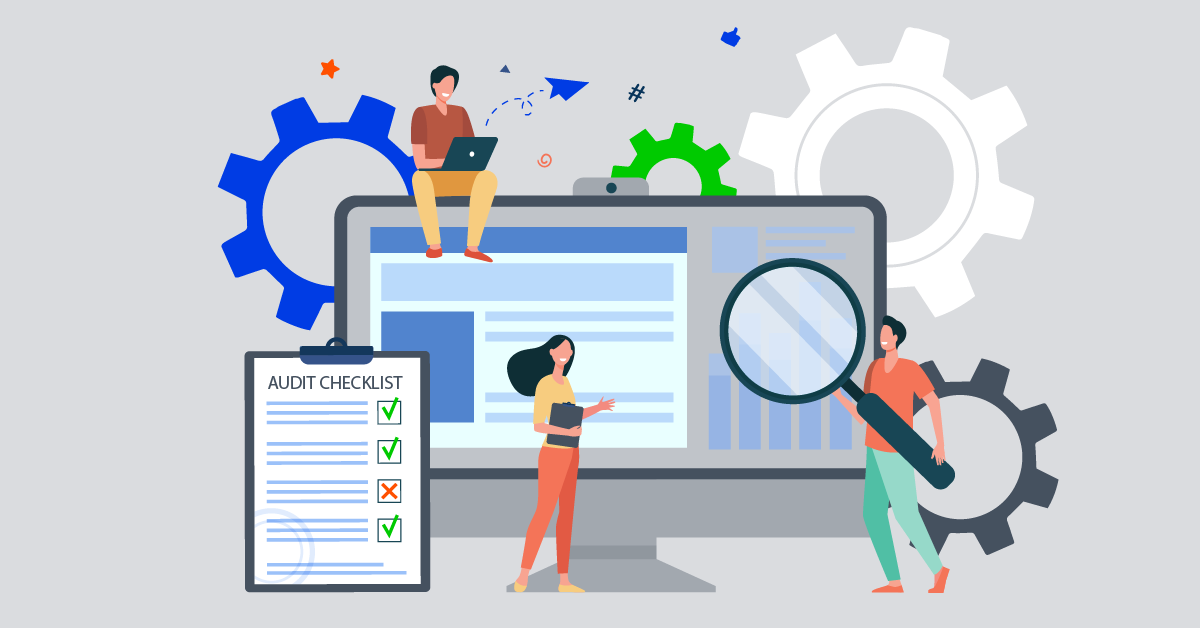
Audit internal bank refers to the process of examining a bank's financial records, transactions, and operations to ensure compliance with regulations and identify any potential risks or irregularities. Traditionally, auditors relied on manual sampling methods to review a limited number of transactions. However, advancements in technology have paved the way for more sophisticated approaches, such as data analytics.
Benefits of Data Analytics in Bank Audits
Enhanced Accuracy: Data analytics allows auditors to analyze large volumes of data with a high level of precision. By leveraging powerful algorithms and statistical models, auditors can identify patterns, anomalies, and potential errors more effectively than traditional methods.
why not find out moreImproved Efficiency: With data analytics tools, auditors can automate repetitive tasks and streamline the audit process. This not only saves time but also enables auditors to focus on higher-value activities such as data interpretation and risk assessment.
Deeper Insights: Data analytics provides auditors with access to a wealth of information that was previously inaccessible or overlooked. By analyzing data from multiple sources, auditors can gain a holistic view of a bank's operations and detect trends or risks that may have gone unnoticed.
Risk Identification: One of the key objectives of bank audits is to identify potential risks that could impact a bank's financial stability or reputation. Data analytics allows auditors to proactively identify red flags and assess risk exposure by analyzing various factors such as loan portfolios, credit ratings, and market trends.
Fraud Detection: Fraudulent activities pose a significant threat to banks. Data analytics plays a crucial role in detecting and preventing fraud by analyzing transactional data for unusual patterns or suspicious activities. This helps auditors identify potential fraud risks and take appropriate measures to mitigate them.
Bank Auditors: The Key Players
Bank auditors play a critical role in ensuring the integrity and reliability of financial information within the banking industry. They are responsible for conducting independent assessments of a bank's financial statements and internal controls to provide assurance to stakeholders.
Skills Required for Bank Auditors
Analytical Mindset: Bank auditors need to possess strong analytical skills to effectively interpret complex financial data and identify potential issues or risks.
Knowledge of Banking Regulations: Understanding the regulatory framework governing banking operations is essential for auditors to assess compliance and identify any regulatory gaps.
Proficiency in Data Analytics Tools: As data analytics is increasingly integrated into bank audits, auditors must be proficient in using advanced analytics tools and software to extract meaningful insights from large datasets.
Communication Skills: Bank auditors need excellent communication skills to effectively communicate audit findings, recommendations, and potential risks to stakeholders such as management, regulators, and investors.
Ethical Conduct: Auditors must adhere to strict ethical standards, maintaining independence, objectivity, and confidentiality throughout the audit process.
Bank of America Audit Case Study
The role of data analytics in modern bank audits can be exemplified through the Bank of America audit case study. In 2014, Bank of America faced allegations of misconduct related to mortgage-backed securities during the financial crisis. To address these concerns, the bank underwent a comprehensive audit that heavily relied on data analytics techniques.
By analyzing vast amounts of data related to mortgage loans, transactions, and risk models, auditors were able to identify irregularities and patterns indicative of potential misconduct. This allowed Bank of America to take corrective actions, strengthen internal controls, and restore trust among stakeholders.
FAQs about Data Analytics in Bank Audits
What is the role of data analytics in bank audits? Data analytics enables auditors to analyze large volumes of data to identify patterns, anomalies, and potential risks in a bank's operations.
How does data analytics enhance the accuracy of bank audits? By leveraging powerful algorithms and statistical models, data analytics improves the precision and reliability of audit findings.
Can data analytics help detect fraud in banks? Yes, data analytics plays a crucial role in fraud detection by analyzing transactional data for unusual patterns or suspicious activities.
What skills are required for auditors to effectively utilize data analytics tools? Auditors need to possess analytical skills, knowledge of banking regulations, proficiency in data analytics tools, communication skills, and ethical conduct.
How can data analytics benefit banks beyond audits? Data analytics can provide banks with valuable insights for risk management, customer segmentation, product development, and operational efficiency.
Conclusion
The incorporation of data analytics into modern bank audits has transformed the way auditors extract insights from financial data. By leveraging advanced techniques and tools, auditors can enhance accuracy, improve efficiency, and gain deeper insights into a bank's operations. The role of bank auditors remains critical in ensuring transparency and accountability within the banking industry. As technology continues to evolve, the use of data analytics in bank audits will become even more prevalent, empowering auditors to make informed decisions that drive positive change.
