The Internal Revenue Service (IRS) examination department has been increasing its audit efforts in recent years, leaving many taxpayers concerned about their compliance. As a personal finance advisor, it is crucial to understand the key strategies for navigating these audits and ensuring compliance. In this article, we will explore effective strategies to help you stay on the right side of the IRS and minimize your chances of being audited. Let's dive in!
Understanding the IRS Examination Department
To effectively navigate the IRS audit process, it is essential to have a clear understanding of how the examination department operates. The IRS examination department is responsible for conducting audits to ensure that taxpayers are accurately reporting their income and paying the correct amount of taxes. The department uses various methods, including mail audits and in-person examinations, to review tax returns and identify potential discrepancies.
Key Strategies for Dealing with an IRS Mail Audit
An IRS mail audit can be a stressful experience for any taxpayer. However, by following a few key strategies, you can handle it with confidence and ensure compliance.
Respond Promptly and Thoroughly
When you receive an IRS mail audit notice, it is crucial to respond promptly and thoroughly. Take the time to gather all relevant documents requested by the IRS and provide them in a timely manner. A complete and organized response will demonstrate your willingness to cooperate and can help expedite the audit process.
Seek Professional Guidance
If you find yourself overwhelmed or unsure about how to respond to an IRS mail audit, seeking professional guidance is highly recommended. Enlisting the expertise of going here a tax professional who specializes in audits can provide valuable insights and ensure that you navigate the process correctly.
Review Your Tax Return Carefully
Before submitting any response to an IRS mail audit, carefully review your tax return for accuracy. Double-check all figures, deductions, and credits claimed to ensure that they are supported by proper documentation. This attention to detail can help you avoid any unnecessary scrutiny from the IRS.

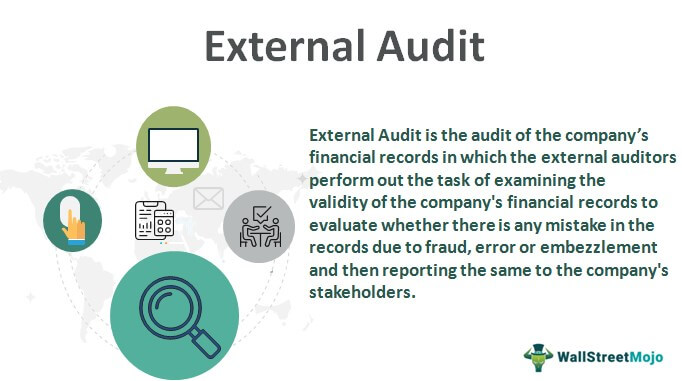
Strategies for Dealing with an In-Person Examination
Facing an in-person examination by the IRS can be intimidating. However, with the right strategies in place, you can approach it confidently and increase your chances of a successful outcome.
Prepare Thoroughly
Preparation is key when it comes to an in-person examination. Review your tax return in detail, gather all supporting documents, and organize them effectively. Anticipate potential questions or areas of concern that the IRS examiner may have and be prepared to address them.
Be Professional and Cooperative
During an in-person examination, it is essential to maintain a professional and cooperative demeanor. Answer questions honestly and provide any requested information promptly. Showing respect for the process and the examiner can go a long way in building rapport and ensuring a smoother audit experience.
Seek Representation if Needed
If you feel overwhelmed or believe that you would benefit from professional representation during an in-person examination, do not hesitate to seek assistance. Enlisting the help of a tax attorney or enrolled agent can provide valuable support and guidance throughout the audit process.
Frequently Asked Questions about IRS Audits
What triggers an IRS audit?- While there is no foolproof way to predict who will be audited, certain factors can increase your chances. These include reporting high-income levels, claiming excessive deductions or credits, inconsistent reporting year over year, or engaging in certain business activities that are more likely to be audited.
- Generally, refusing an IRS audit is not advisable. The IRS has broad authority to conduct audits, and refusing could lead to further legal consequences. It is best to cooperate and respond appropriately when faced with an audit notice.
- The duration of an IRS audit can vary depending on various factors, such as the complexity of the issues being examined and the availability of both the taxpayer and the IRS examiner. Simple audits may be resolved within a few months, while more complex cases can take years to complete.
- If you are found to owe additional taxes after an audit, the IRS will send you a notice outlining the amount due. You will have the option to pay the balance in full or set up a payment plan with the IRS.
- Yes, taxpayers have the right to appeal an IRS audit decision if they disagree with its outcome. The appeals process provides an opportunity to present additional information or challenge the findings made during the audit.
- While there is no guaranteed way to avoid an IRS audit, certain actions can help minimize your chances. These include accurately reporting your income, keeping detailed records and supporting documentation, avoiding excessive deductions or credits, and seeking professional tax advice when needed.
Conclusion
Navigating IRS audits can be a daunting task for any taxpayer. However, by understanding key strategies for compliance and employing them effectively, you can increase your chances of a successful outcome. Responding promptly and thoroughly to mail audits, preparing thoroughly for in-person examinations, and seeking professional guidance when needed are all crucial steps towards ensuring compliance with IRS regulations. By following these strategies and staying informed about your rights and responsibilities as a taxpayer, you can navigate the complex world of tax audits with confidence.
