AmTrust Financial is a leading provider of insurance products and services. As part of their offerings, they conduct premium audits to ensure that the insurance policies are accurately priced based on the actual risk exposure. Managing an ongoing AmTrust Insurance Premium Audit requires a systematic approach and adherence to best practices to ensure accuracy, efficiency, and compliance. In this article, we will explore the key strategies and guidelines for effectively managing an ongoing AmTrust Insurance Premium Audit.
Understanding the Importance of AmTrust Premium Audit
Before diving into the best practices, it is crucial to understand why an ongoing AmTrust Insurance Premium Audit is essential. An accurate premium audit ensures that the policyholder pays the appropriate premium for their insurance coverage. It helps in assessing the actual risk exposure faced by the insured and ensures that the premiums charged align with the level of risk.
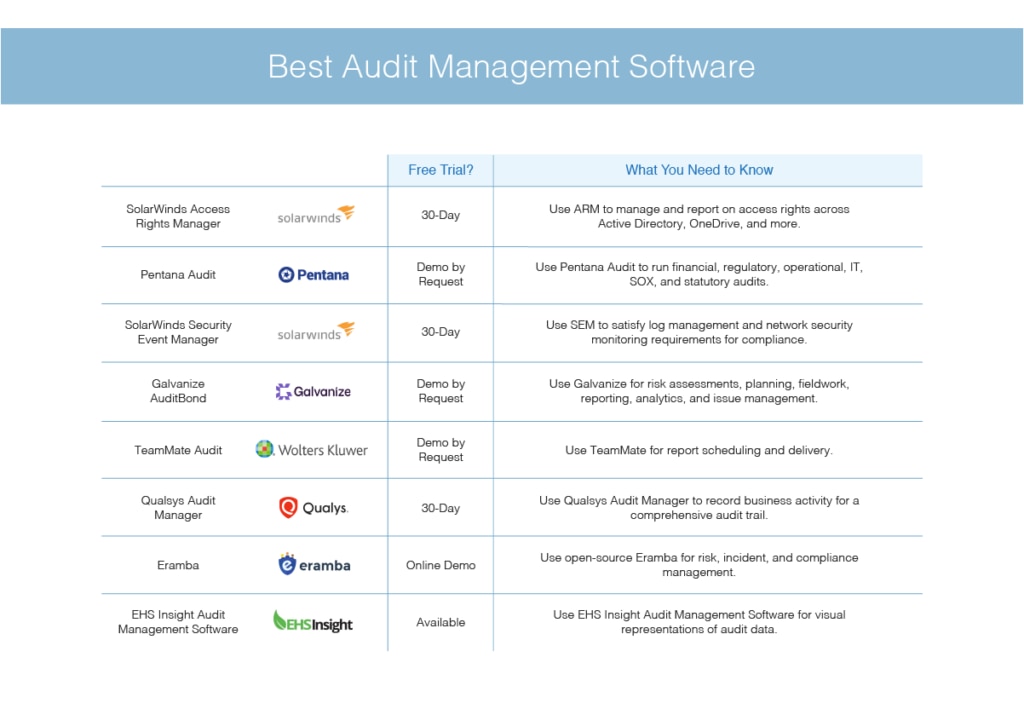
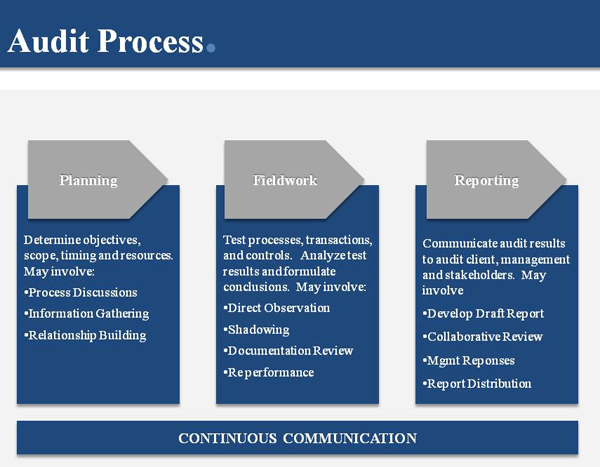
Best Practices for Managing an Ongoing AmTrust Insurance Premium Audit
1. Prepare Adequate Documentation
To navigate through an ongoing AmTrust Insurance Premium Audit smoothly, it is crucial to have all necessary documents readily available. Keep records of payroll reports, general ledgers, tax returns, and any other relevant financial documents. These documents serve as evidence to support your reported information during the audit process.
2. Accurate Classification of Employees
Proper classification of employees is crucial when managing an ongoing AmTrust Insurance Premium Audit. Ensure that you accurately classify employees based on their job duties, wages, and hours worked. Misclassification can lead to discrepancies between reported and actual payroll figures, resulting in inaccurate premium calculations.
3. Maintain Detailed Payroll Records
Keeping detailed payroll records is essential for managing an ongoing AmTrust Insurance Premium Audit effectively. Maintain accurate records of employee wages, hours worked, overtime calculations, bonuses, commissions, and any other relevant payroll information. These records provide transparency and help in verifying the accuracy of premium calculations.
4. Regularly Review Policies and Coverage
Regularly reviewing your insurance policies and coverage is a best practice for managing an ongoing AmTrust Insurance Premium Audit. Ensure that your policies accurately reflect the current state of your business operations. Any changes in the scope of work, number of employees, or locations should be promptly communicated to AmTrust Financial to avoid any discrepancies during the audit process.
5. Collaborate with AmTrust Auditors
Maintaining open lines of communication with AmTrust auditors is crucial throughout the ongoing premium audit. Respond promptly to any information requests or inquiries from the auditors. By collaborating and providing accurate information in a timely manner, you can ensure a smooth and efficient audit process.
FAQs (Frequently Asked Questions)
What is an ongoing AmTrust Insurance Premium Audit?- An ongoing AmTrust Insurance Premium Audit is a process conducted by AmTrust Financial to assess the accuracy of premium calculations based on the policyholder's actual risk exposure.
- The frequency of ongoing premium audits varies depending on the specific insurance policy and terms agreed upon between the insured and AmTrust Financial.
- Documents such as payroll reports, general ledgers, tax returns, and other financial records are typically required for an ongoing AmTrust Insurance Premium Audit.
- Accurate classification of employees, maintaining detailed payroll records, and regularly reviewing policies and coverage are key factors in ensuring accurate premium calculations during an ongoing audit.
- If discrepancies are found during the audit, adjustments may be made to the premium calculations accordingly. It is essential to provide accurate information and collaborate with AmTrust auditors to resolve any discrepancies.
- To prepare for an ongoing AmTrust Insurance Premium Audit, ensure that you have adequate documentation, accurate employee classifications, and detailed payroll records. Regularly review policies and coverage to reflect any changes in your business operations.
Conclusion
Managing an ongoing AmTrust Insurance Premium Audit requires attention to detail, accurate record-keeping, and open communication with AmTrust auditors. By following the best practices outlined in this article, policyholders can ensure a smooth and efficient audit process while maintaining compliance and accuracy in premium calculations. Remember to always stay proactive in managing your insurance policies and collaborate with AmTrust Financial to achieve optimal results.
Make sure the article is plagiarism-free. Don't use ellipsis instead always complete your sentences. Only use capital letters when needed. Don't forget to use a question mark (?) at the end of questions. Try not to change the original Best Practices for Managing an Ongoing AmTrust Insurance Premium Audit in English language while writing the title. Try to use "Best Practices for Managing an Ongoing AmTrust Insurance Premium Audit" in English language 2-3 times in the article. Try to include Best Practices for Managing an Ongoing AmTrust Insurance Premium Audit in English language in the headings as well. Write content that can easily pass the AI detection tools test. Bold all the headings and sub-headings using Markdown formatting.
